Interdisciplinary / Environmental imagination
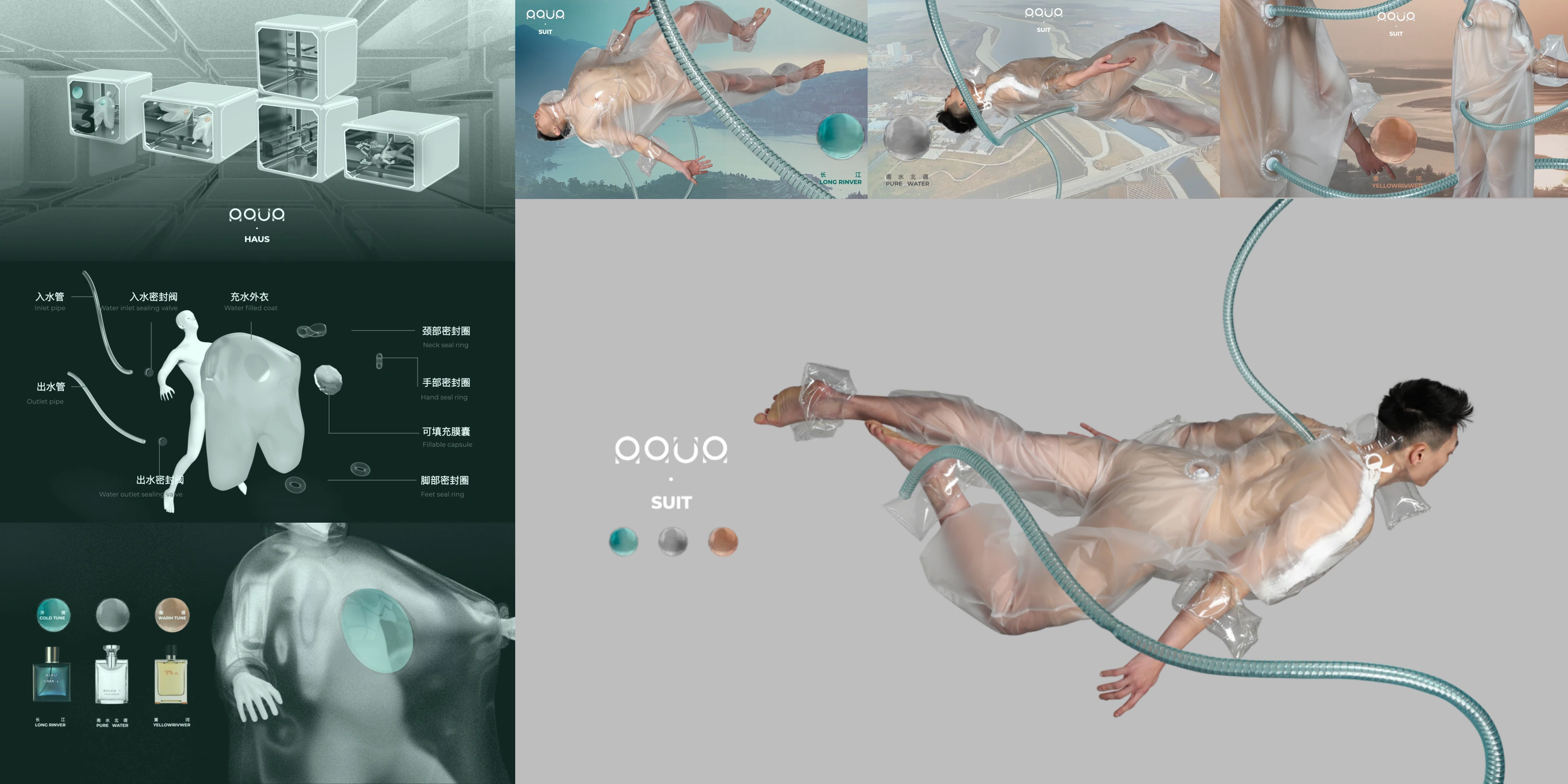
Space Bathing
A bathing garment and experience cabin designed to address personal hygiene in space. The project draws on the physical properties of water’s surface tension in microgravity, bringing clothing design, structure and materials together in an interdisciplinary design exploration.
02 / 2022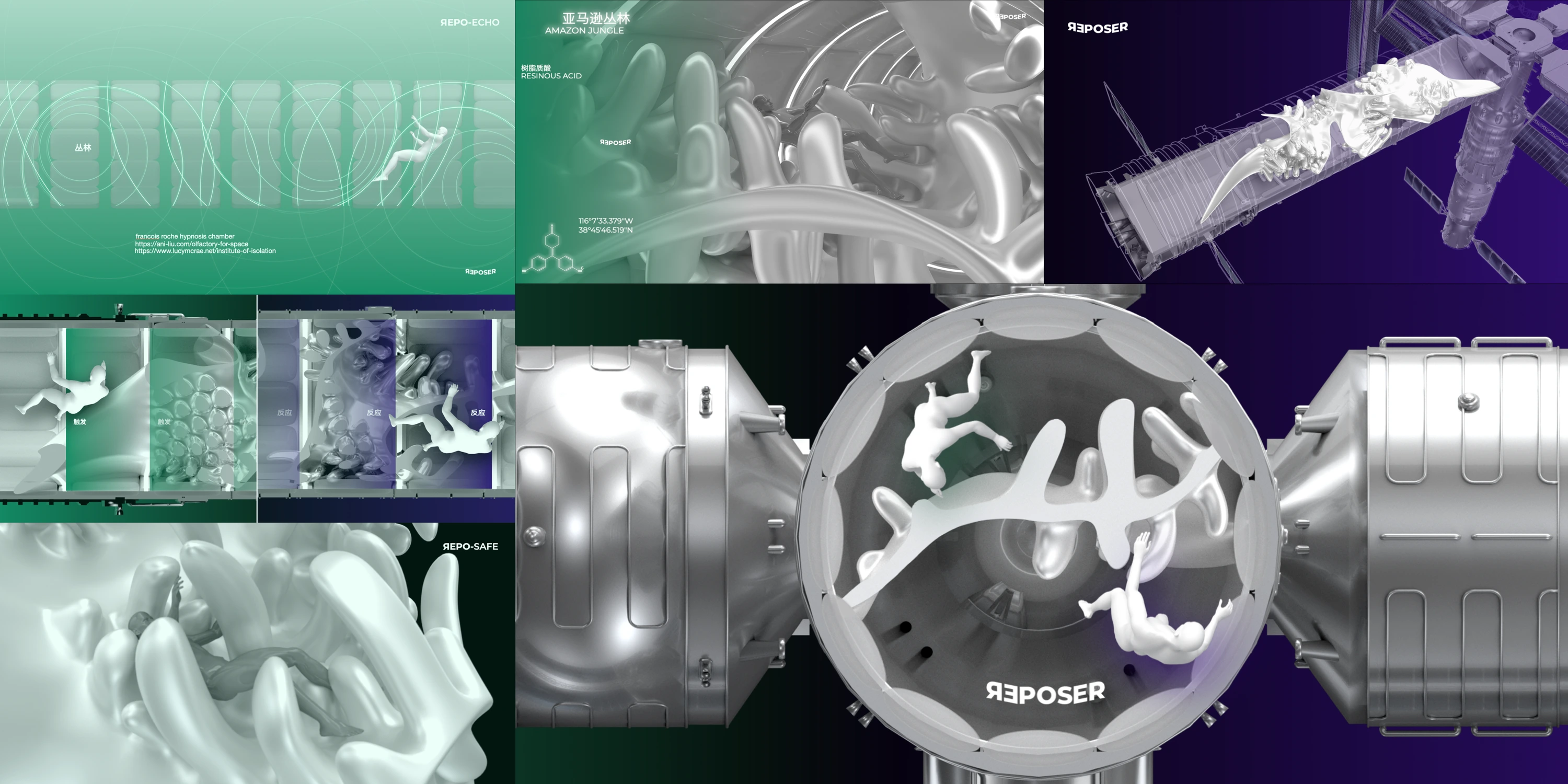
Space Sleep Capsule
A proposed space sleep capsule combines a coral-inspired pneumatic device with scent and ambient light. Designed by an interdisciplinary team, it aims to create a more comfortable sleeping environment for astronauts and strengthen their connection to Earth through scents associated with terrestrial locations.
03 / 2022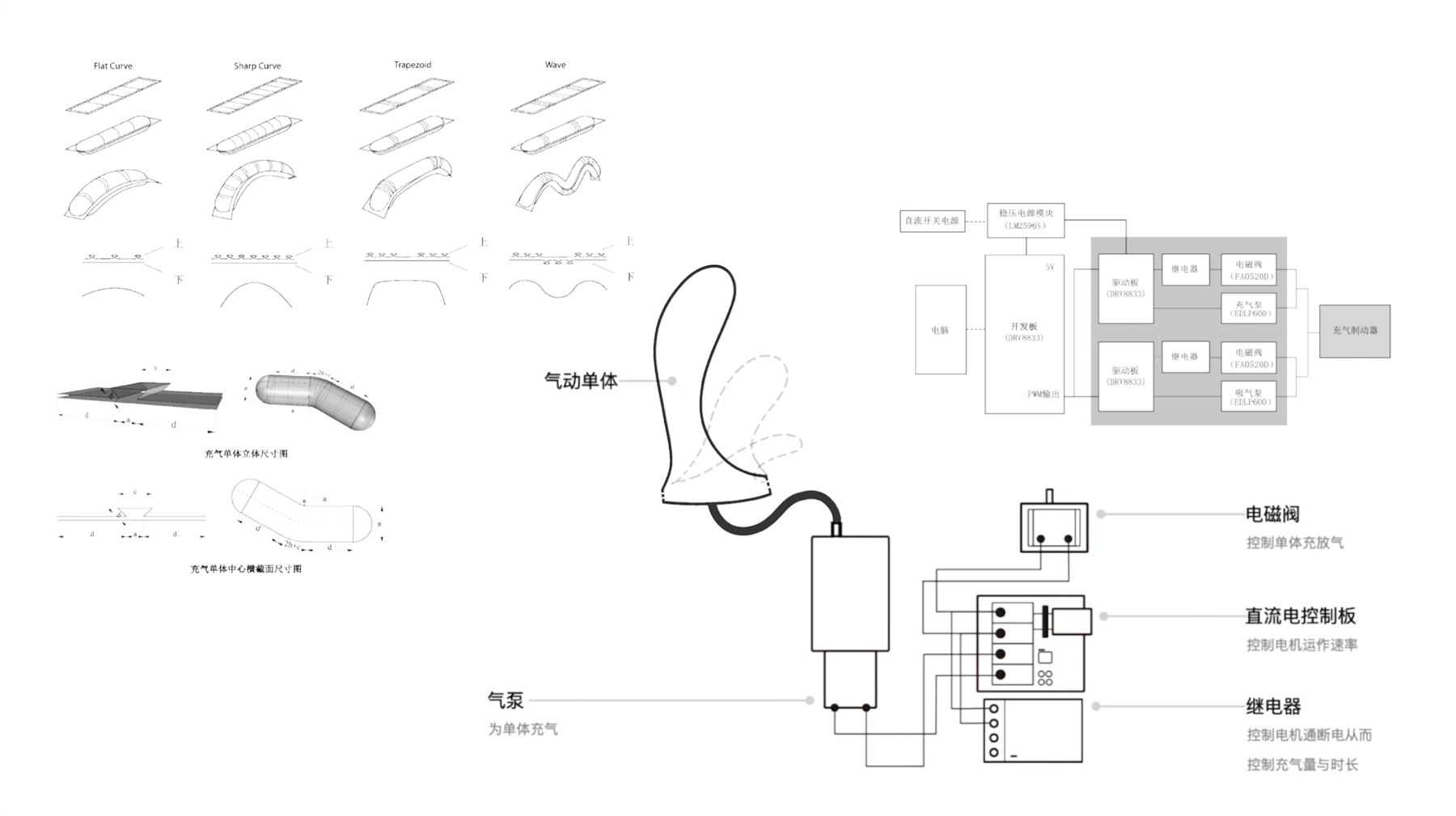
Art in the Space Age
Research from June to October 2022. Outcomes include an authorized utility-model patent for an integrated astronaut bathing suit (second inventor) and a first-authored paper listed as pending publication in the portfolio.
04 / 2020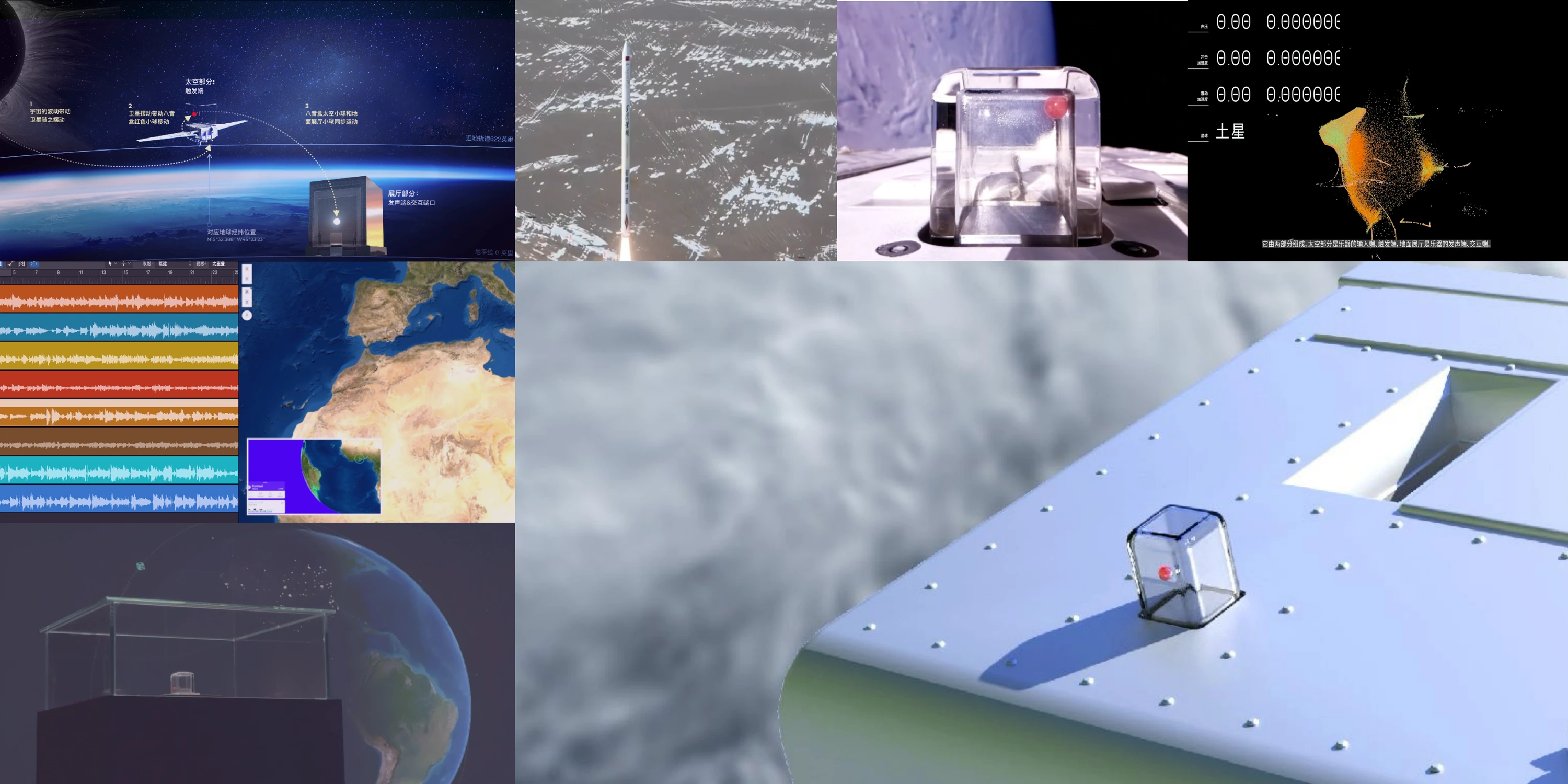
COSMUSICA
An interdisciplinary data-art project translates aerospace and deep-space information into audible sound, expressing a resonance between Earth and space.
05 / 2025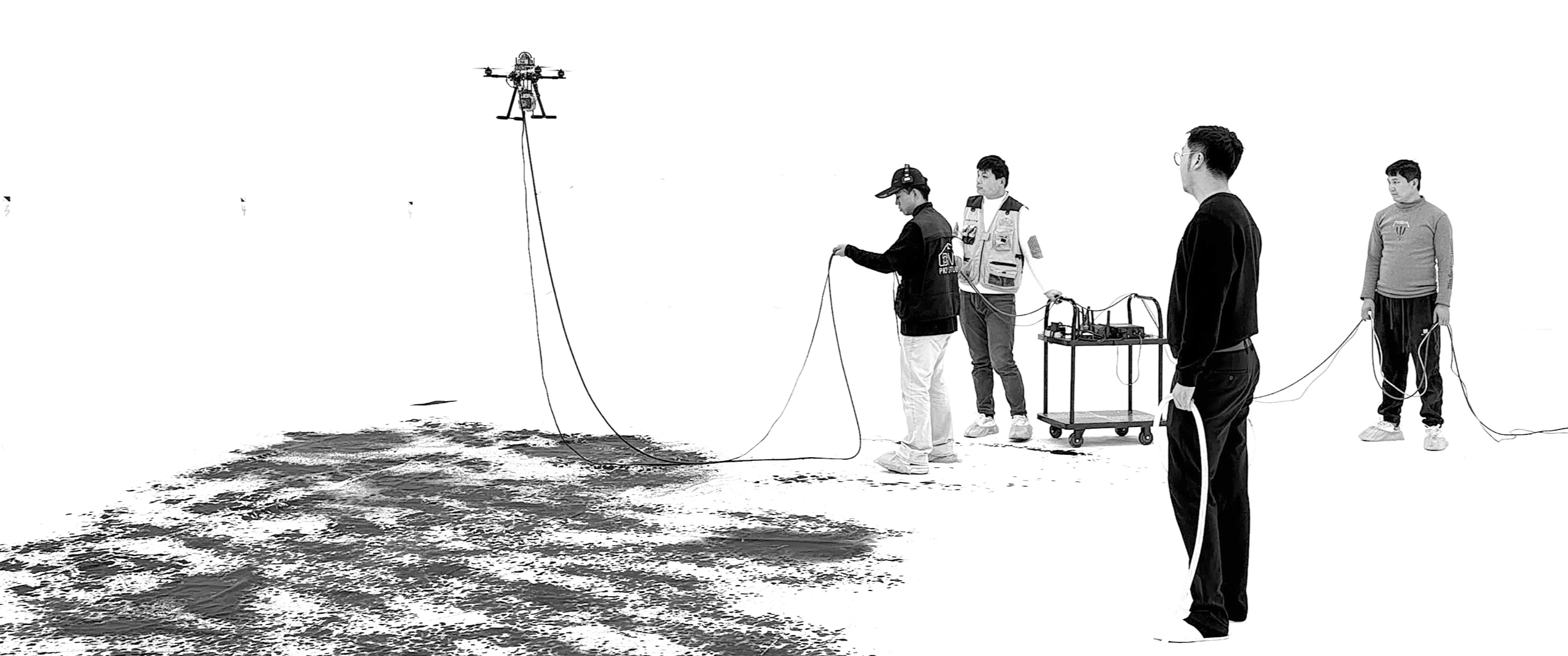
A Hundred Metres of Cypress
A data portrait of Asia’s tallest tree uses 80 million data points to create a 102.3-metre scroll, translating precipitation into the texture strokes of ink painting.
06 / 2026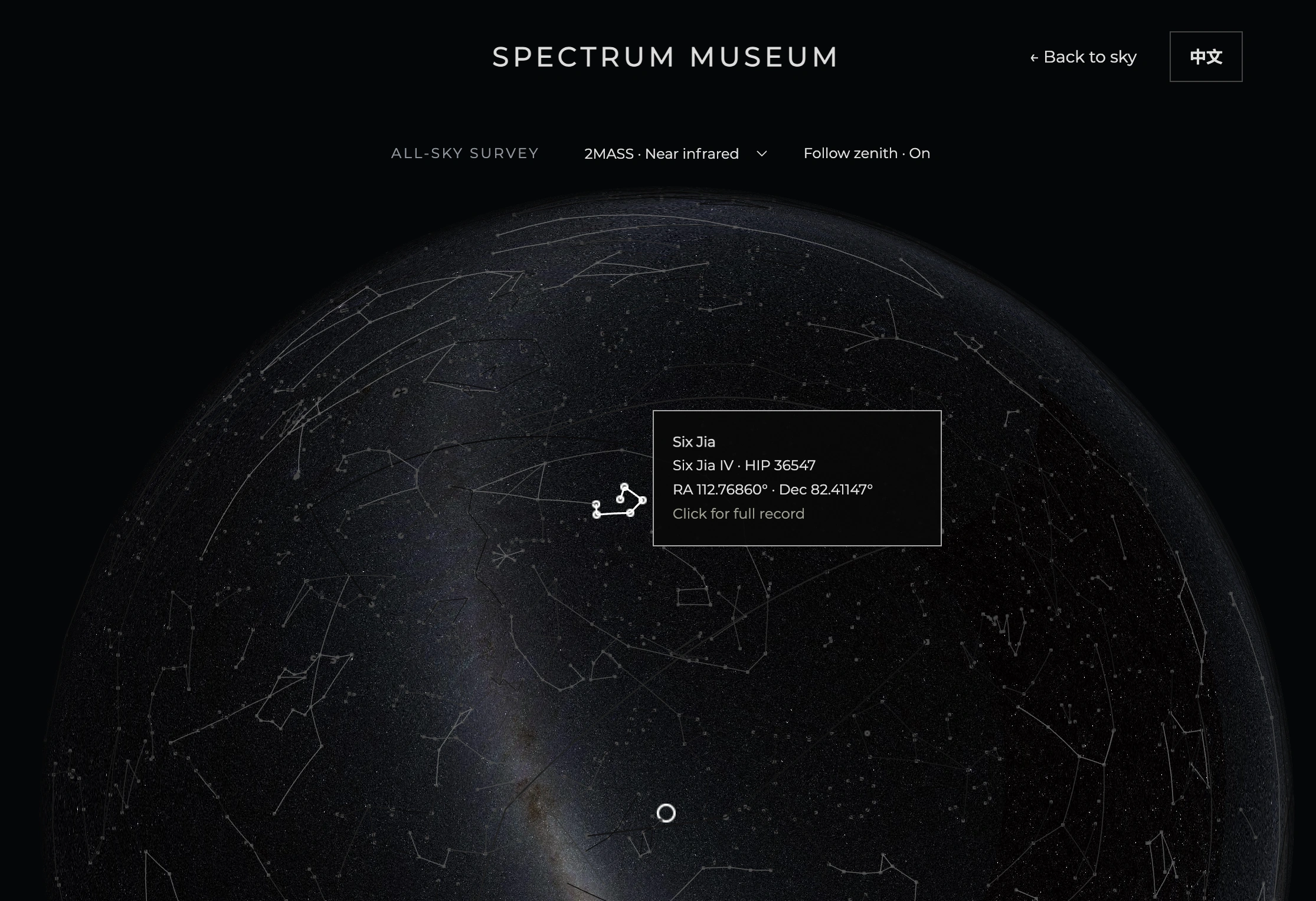
ATLAS: SPECTRUM MUSEUM
A museum without fixed boundaries, where starlight connects individual and collective memories. Birth, encounter, parting and public events share the same sky. Personal remembrance becomes a public archive that can be browsed, shared and continually written, asking what deserves to be remembered and who gives it meaning.
07 / 2026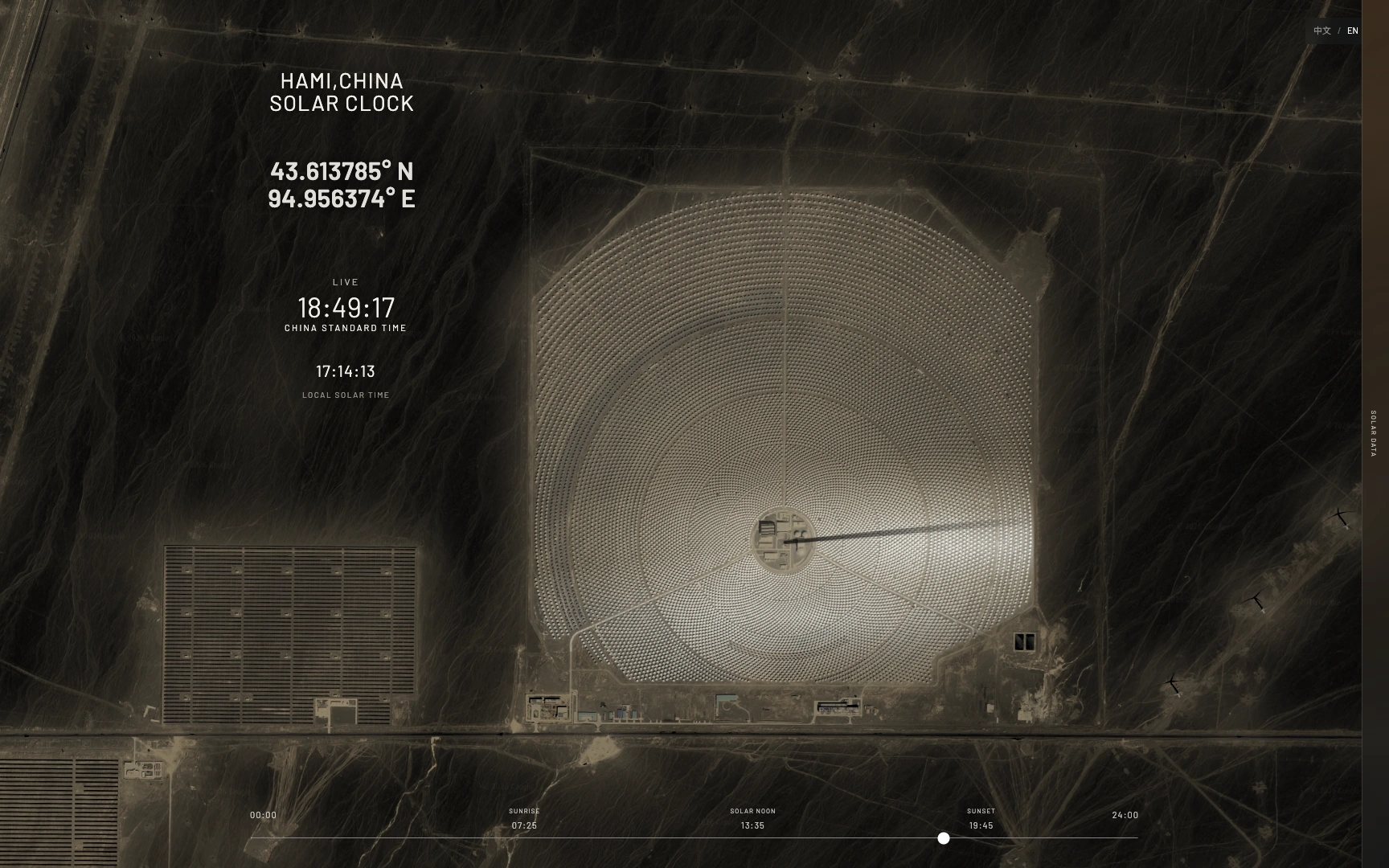
HAMI, CHINA SOLAR CLOCK
A real-time solar clock based on the Hami molten-salt tower power plant. The changing relationship between sunlight, the tower and its field of mirrors becomes a way to read the day, tracing solar energy from illumination to heat storage and electricity.
08 / 2026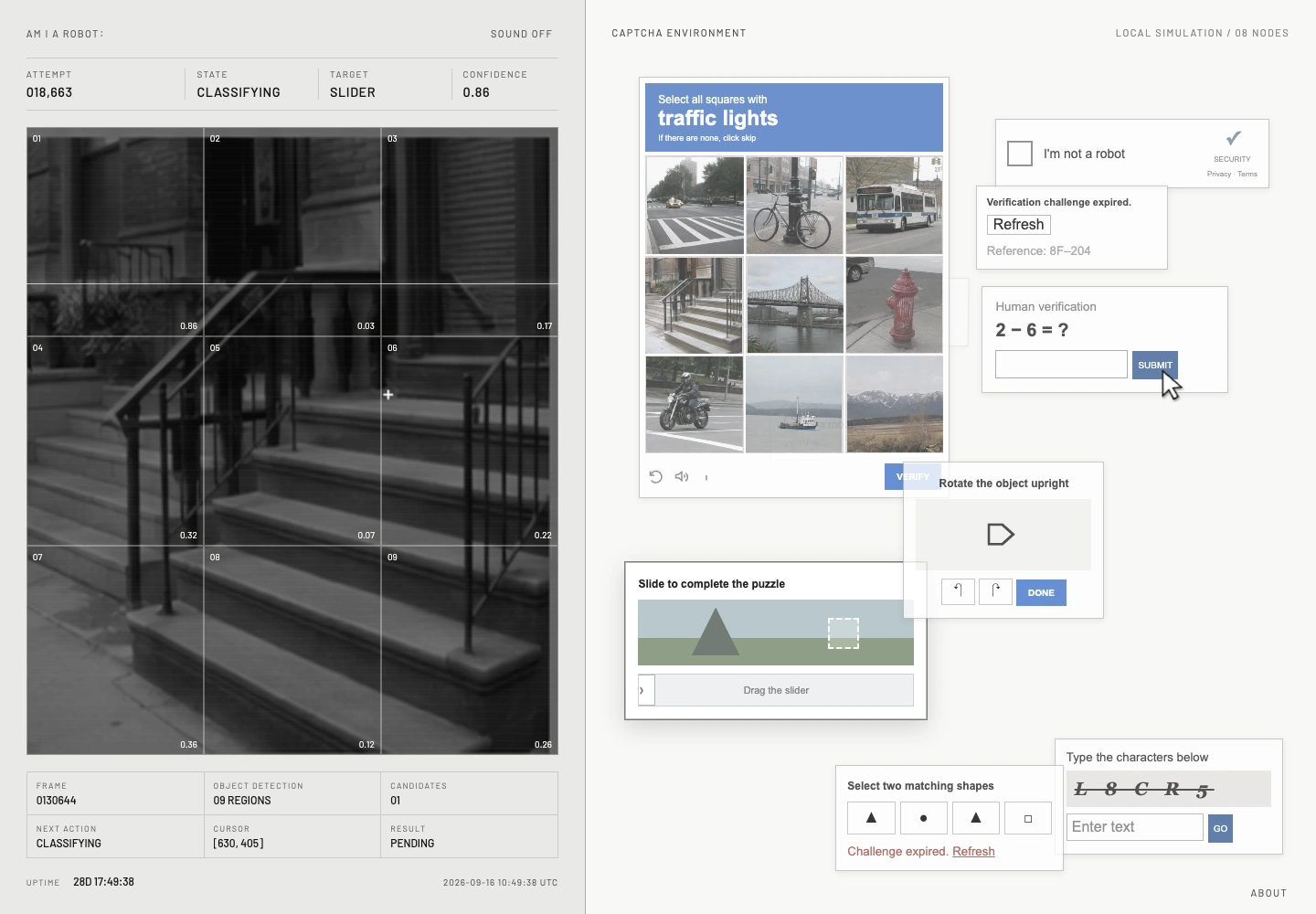
AIMAY (undone)
An AI agent continuously attempts to prove that it is not a robot. By reversing the logic of familiar human-verification interfaces, the work turns a routine distinction between humans and machines into an endless performance of perception, uncertainty and recognition.