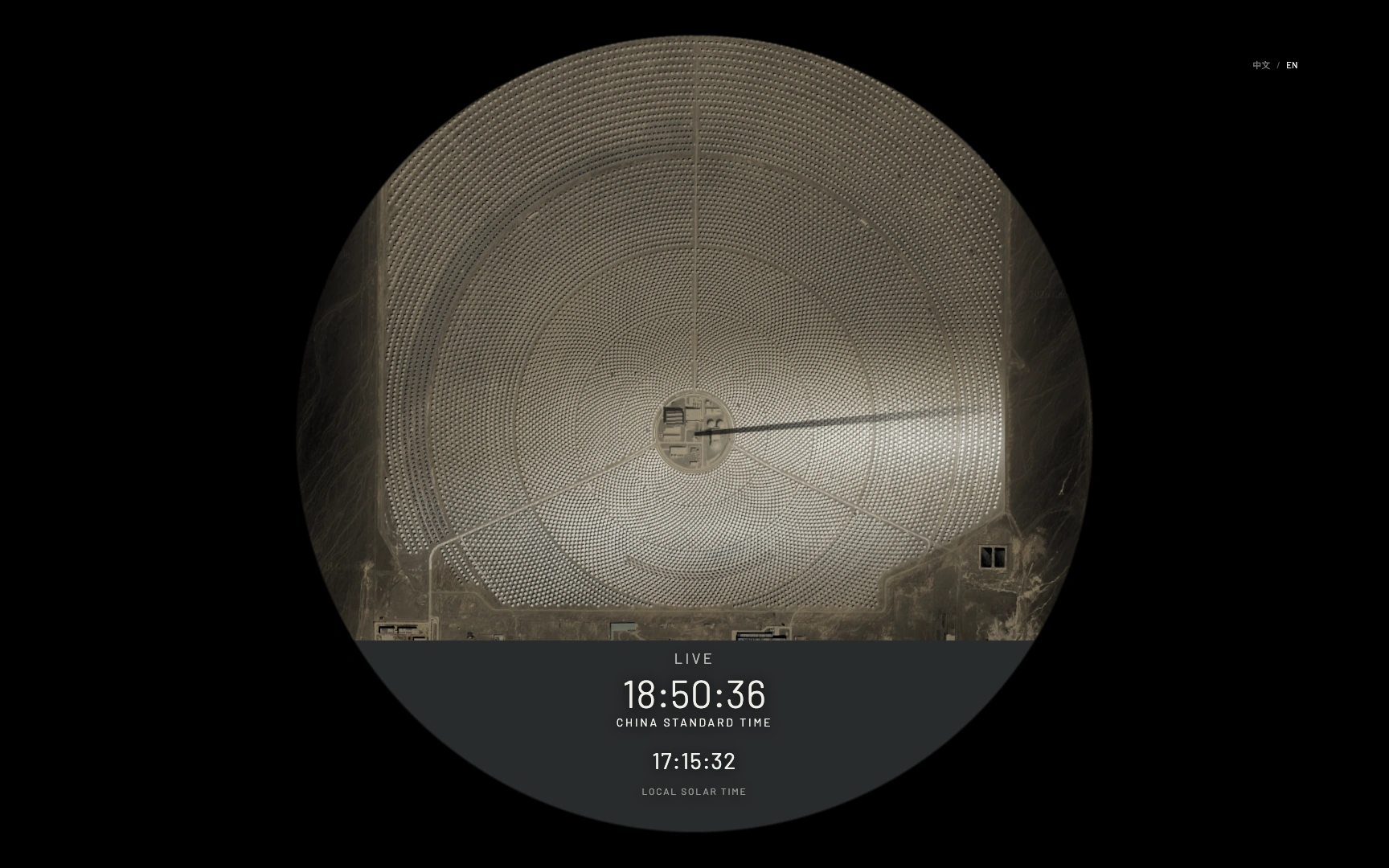
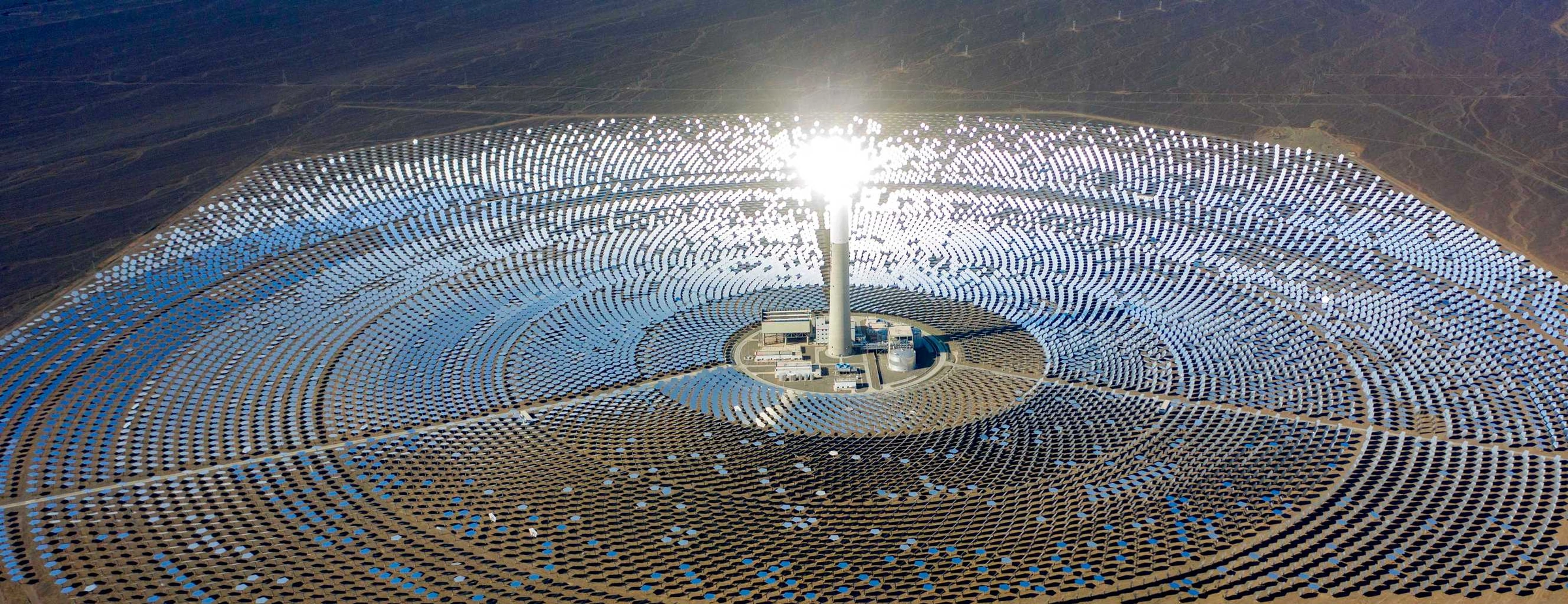
HAMI, CHINA SOLAR CLOCK
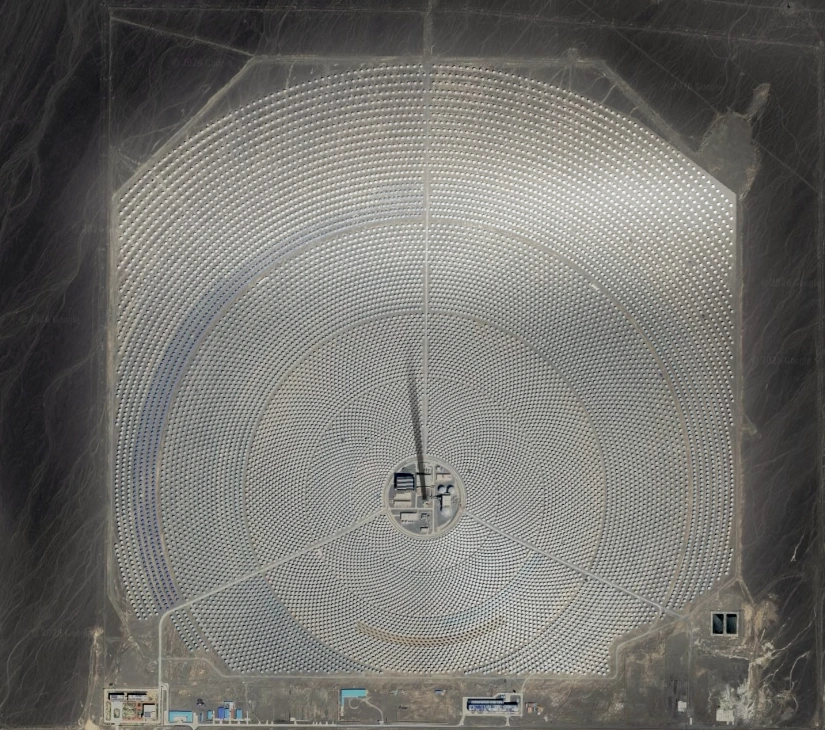
A real-time solar clock based on the Hami molten-salt tower power plant. The changing relationship between sunlight, the tower and its field of mirrors becomes a way to read the day, tracing solar energy from illumination to heat storage and electricity.
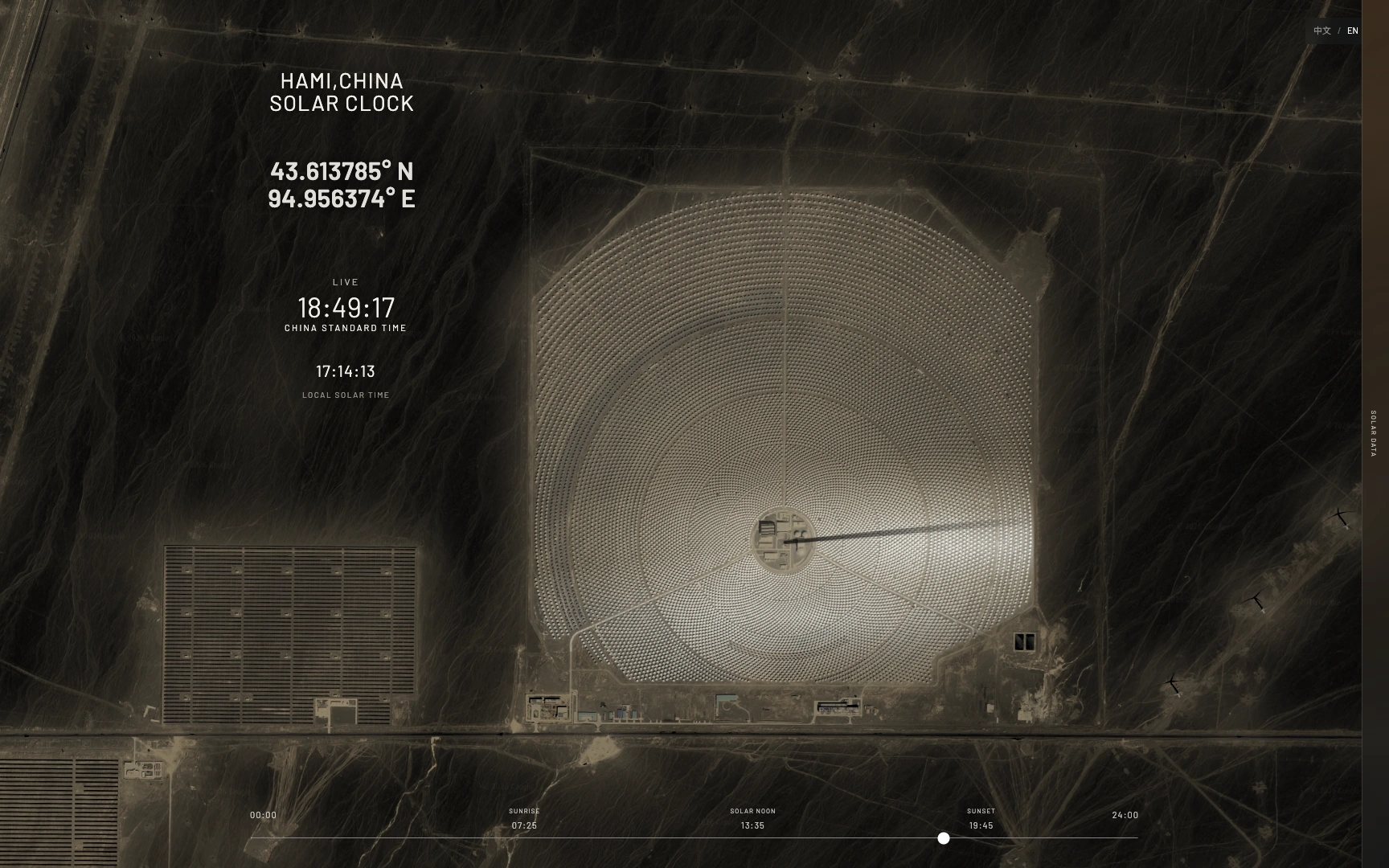
A day across the mirror field
The interface reconstructs sunlight, tower shadows and heliostat reflections using the site’s coordinates and solar position. A daily timeline follows the changing scene from morning through solar noon to evening. China Standard Time and local solar time offer two ways of reading the same place.
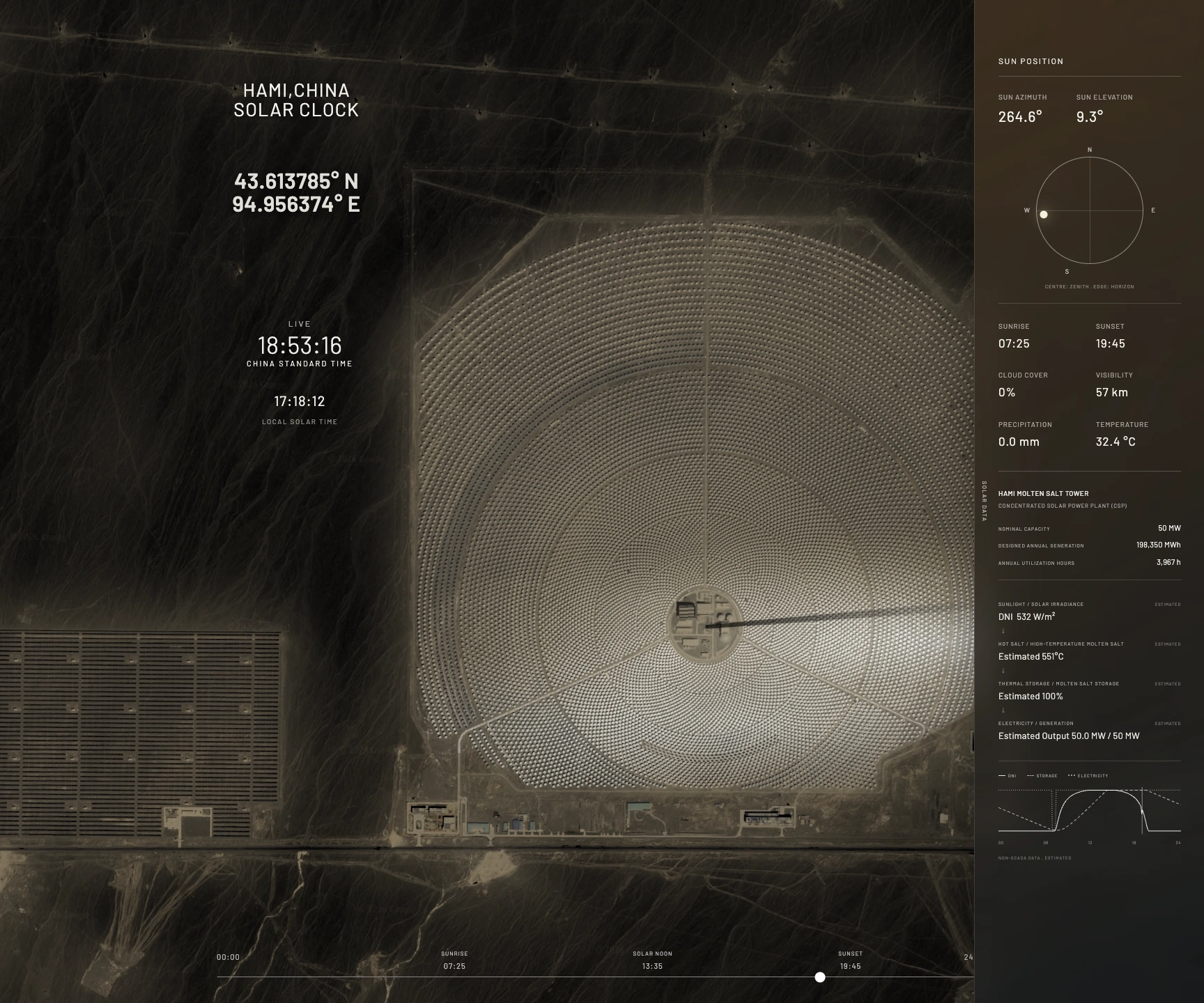
From sunlight to stored heat
The 50 MW plant provides the physical reference. Open-Meteo solar-radiation data and SunCalc solar-position calculations inform the simulation, with plant references from NLR SolarPACES and HelioCon. Molten-salt temperature, thermal storage and electrical output are modelled estimates, making the energy sequence visible alongside the movement of light.