Visual integration / Spatial experience
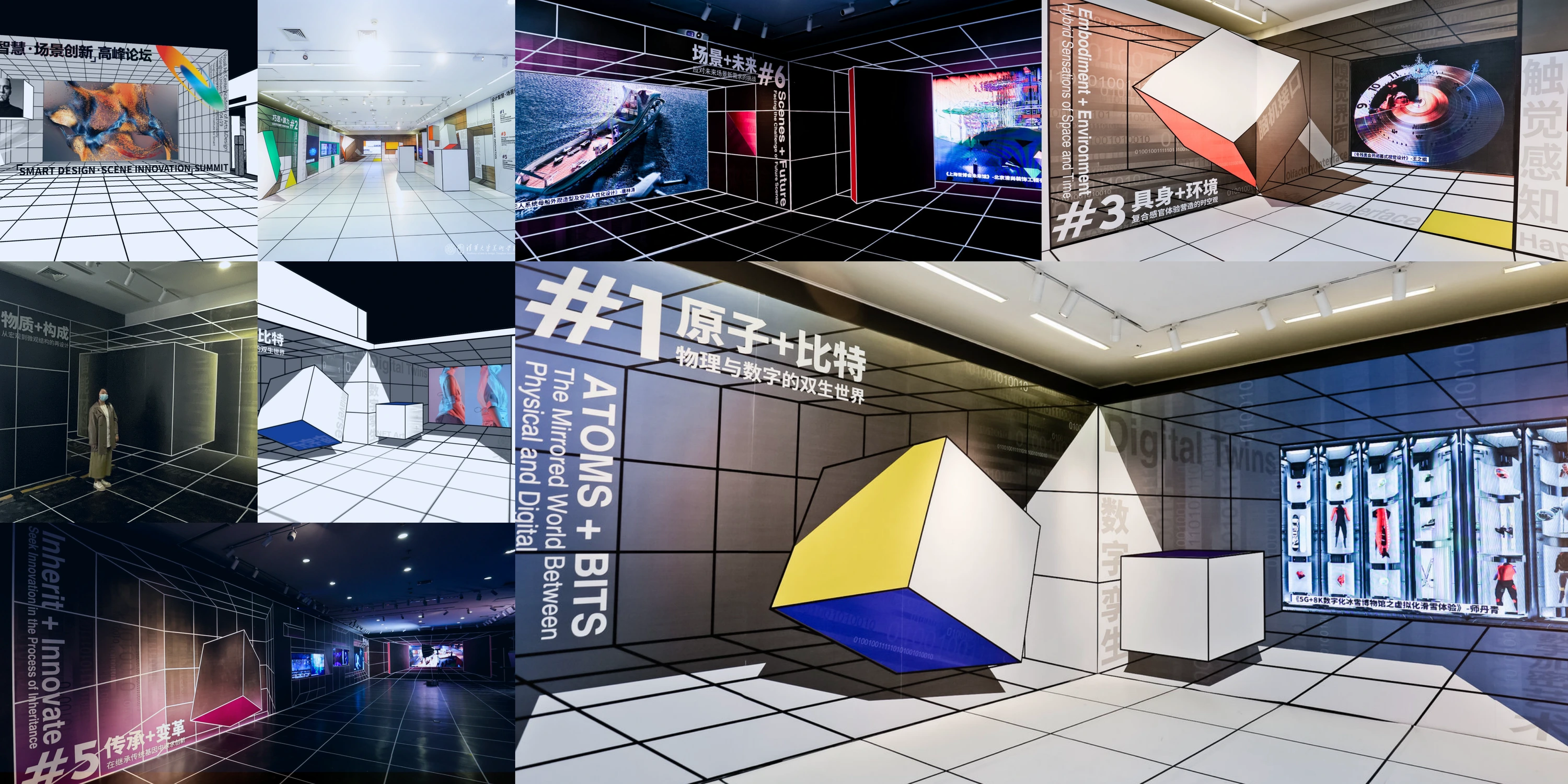
Future Superposition
Three-dimensional optical illusions expand the perceived scale of a limited exhibition space. Moving images and spatial design connect the academy’s interdisciplinary work while guiding visitors through the exhibition.
02 / 2021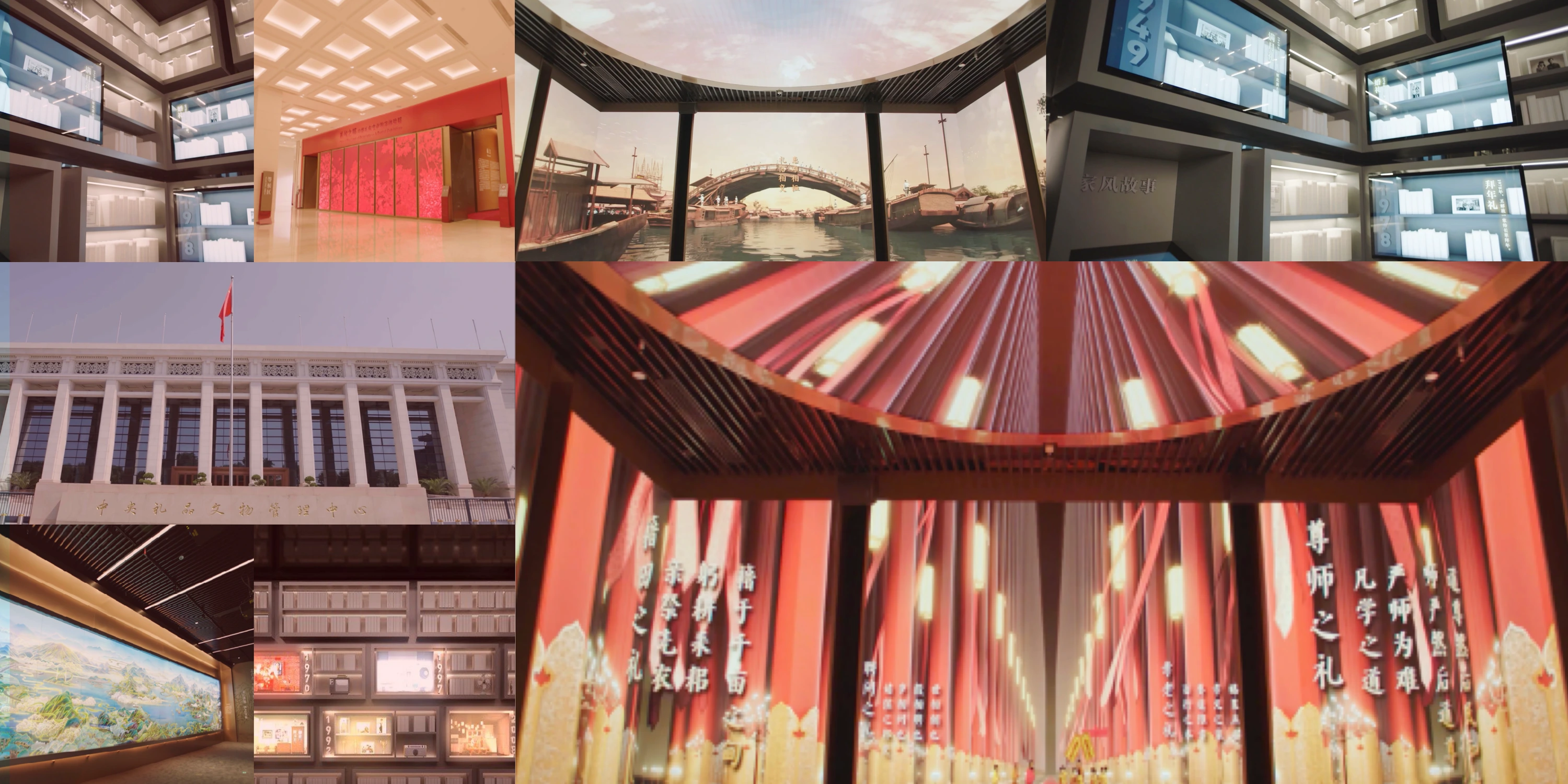
Chinese Ritual Culture
An 800-square-metre immersive digital exhibition brings together China’s long traditions of ritual and etiquette with the country’s diplomatic presence, marking the centenary of the Communist Party of China.
03 / 2023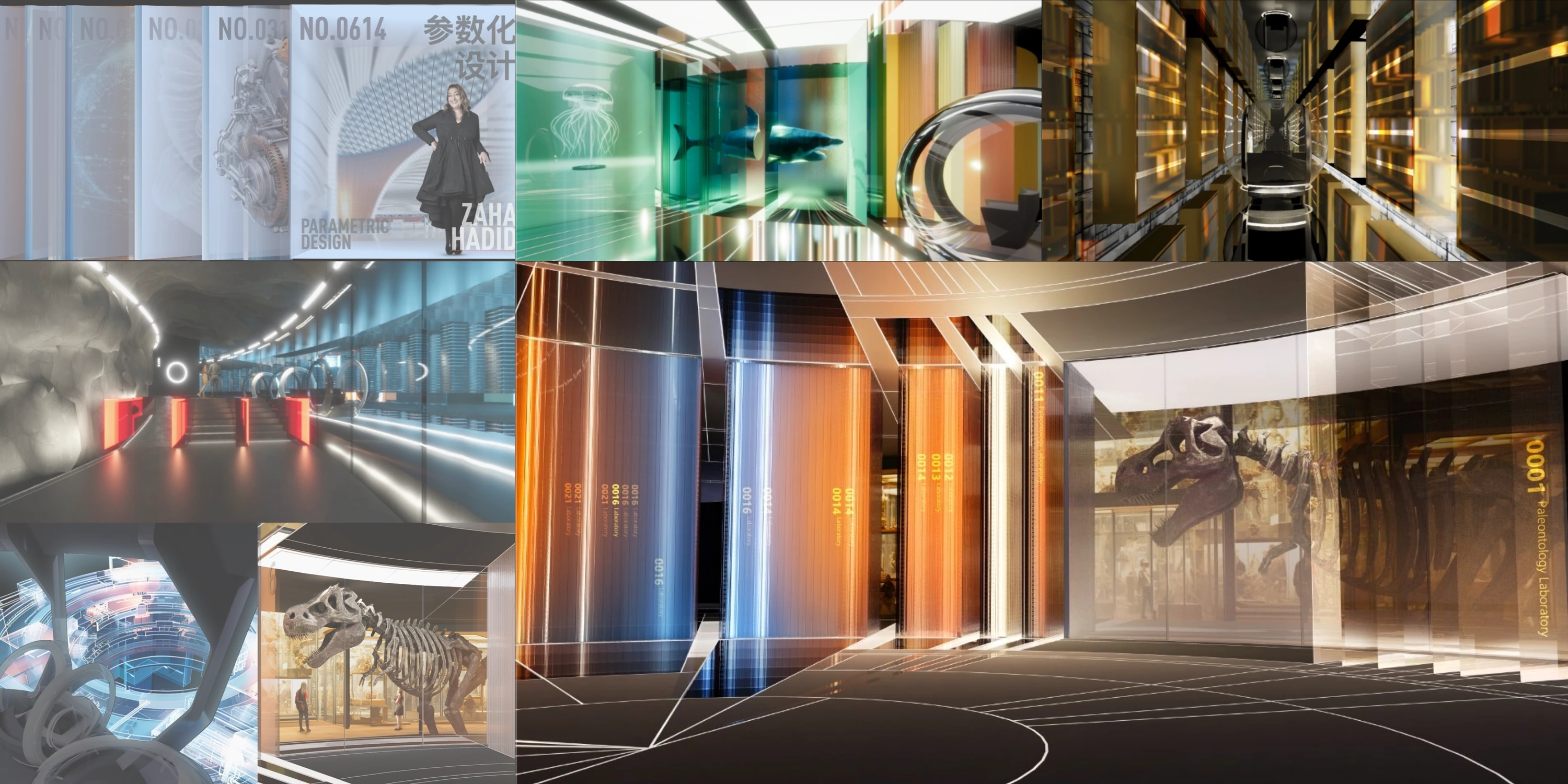
IDEAS Future Academy
A design and technology exploration pavilion takes the form of an imagined future academy. Physical and virtual exhibitions connect immersive dark-ride, AI and VR experiences through “slices of knowledge” that reach beyond physical limits.
04 / 2026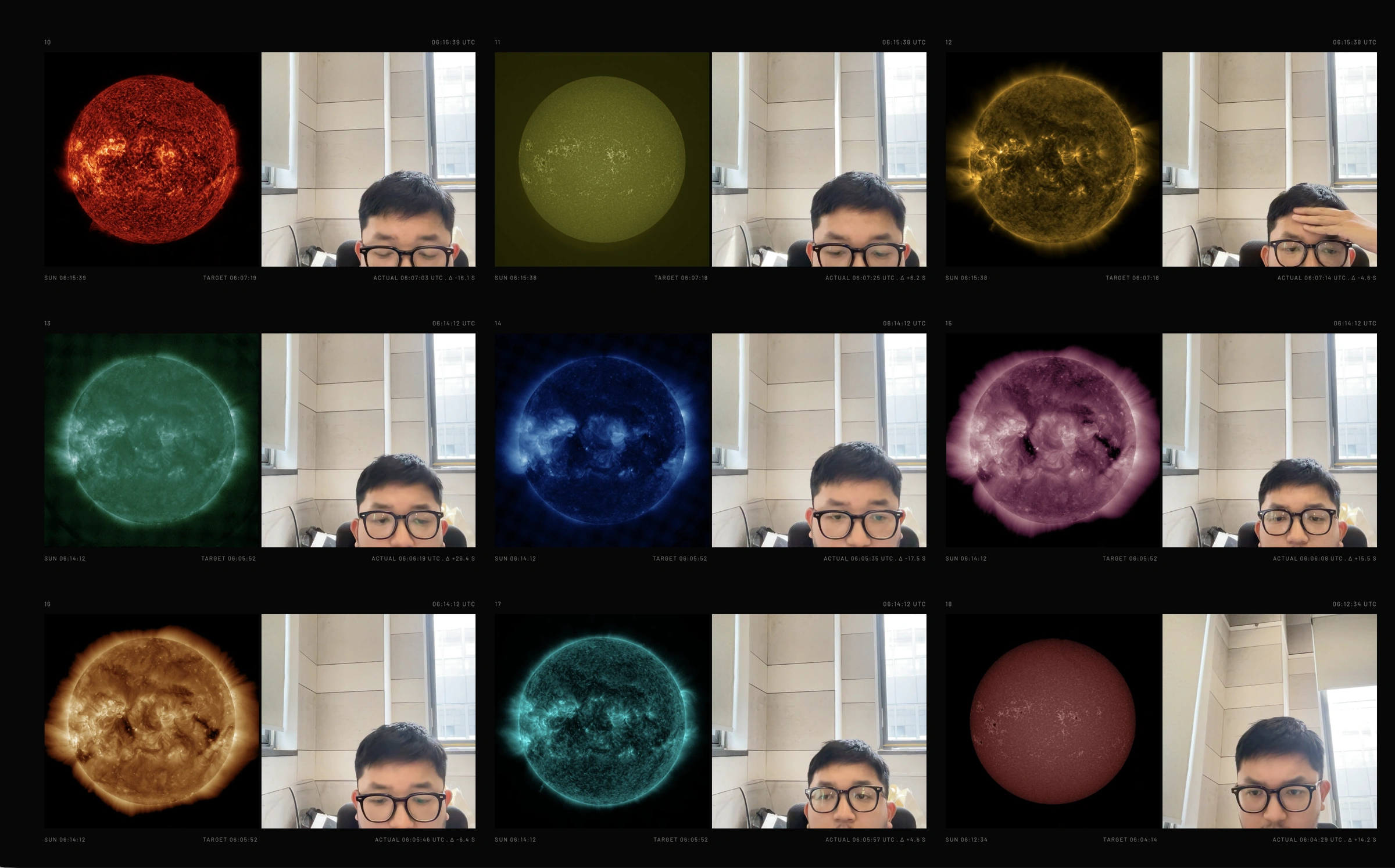
THE SUN, 8′20″ AGO
Sunlight takes approximately eight minutes and twenty seconds to reach Earth. The Sun we perceive now is always an image of its past. This work turns solar activity into a changing field of light and sound, allowing us to watch and listen to a distant star that has already changed by the time its light arrives.
05 / 2020–2024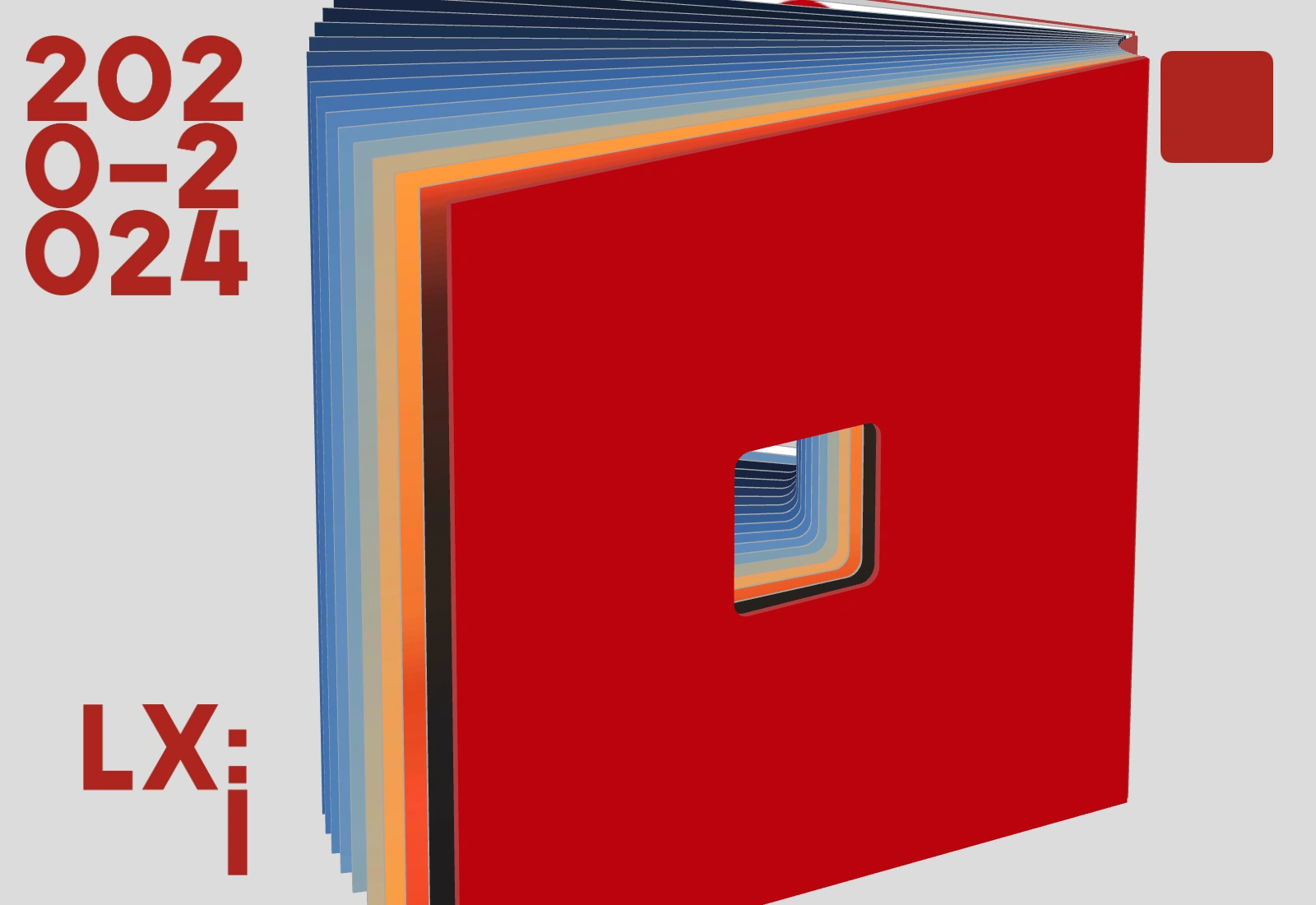
LXs ALBUM
An interactive digital edition of my album, translating the physical storybook of LX:I into a three-dimensional listening experience. Sound, image and the material form of a book belong to one continuous encounter.
06 / 2026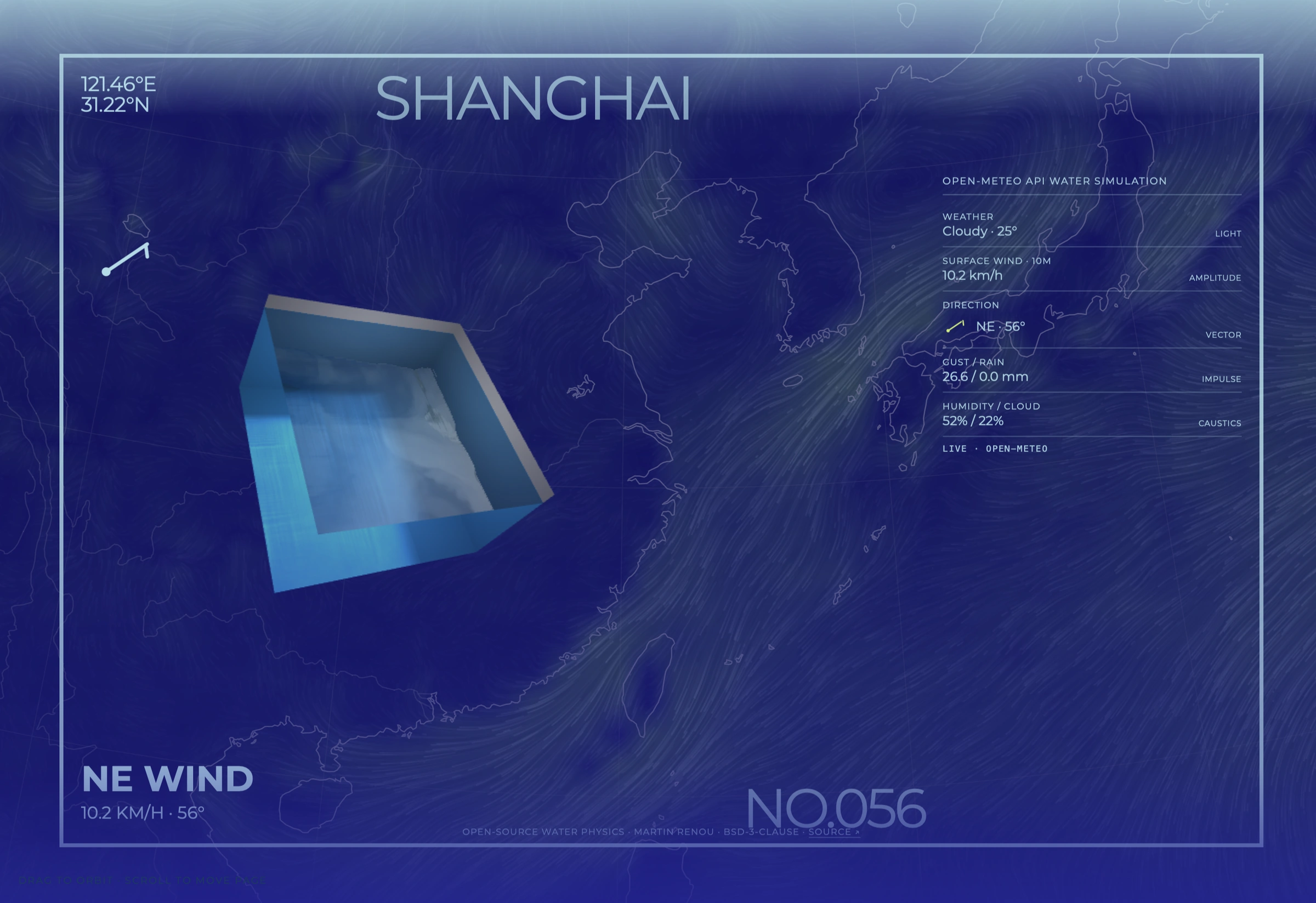
DATA-TRIGGERED WATER CUBE
Global atmospheric motion becomes the behavior of a small virtual body of water. By compressing planetary weather into a contained surface, the work gives invisible flows an immediate physical and visual presence.
07 / 2026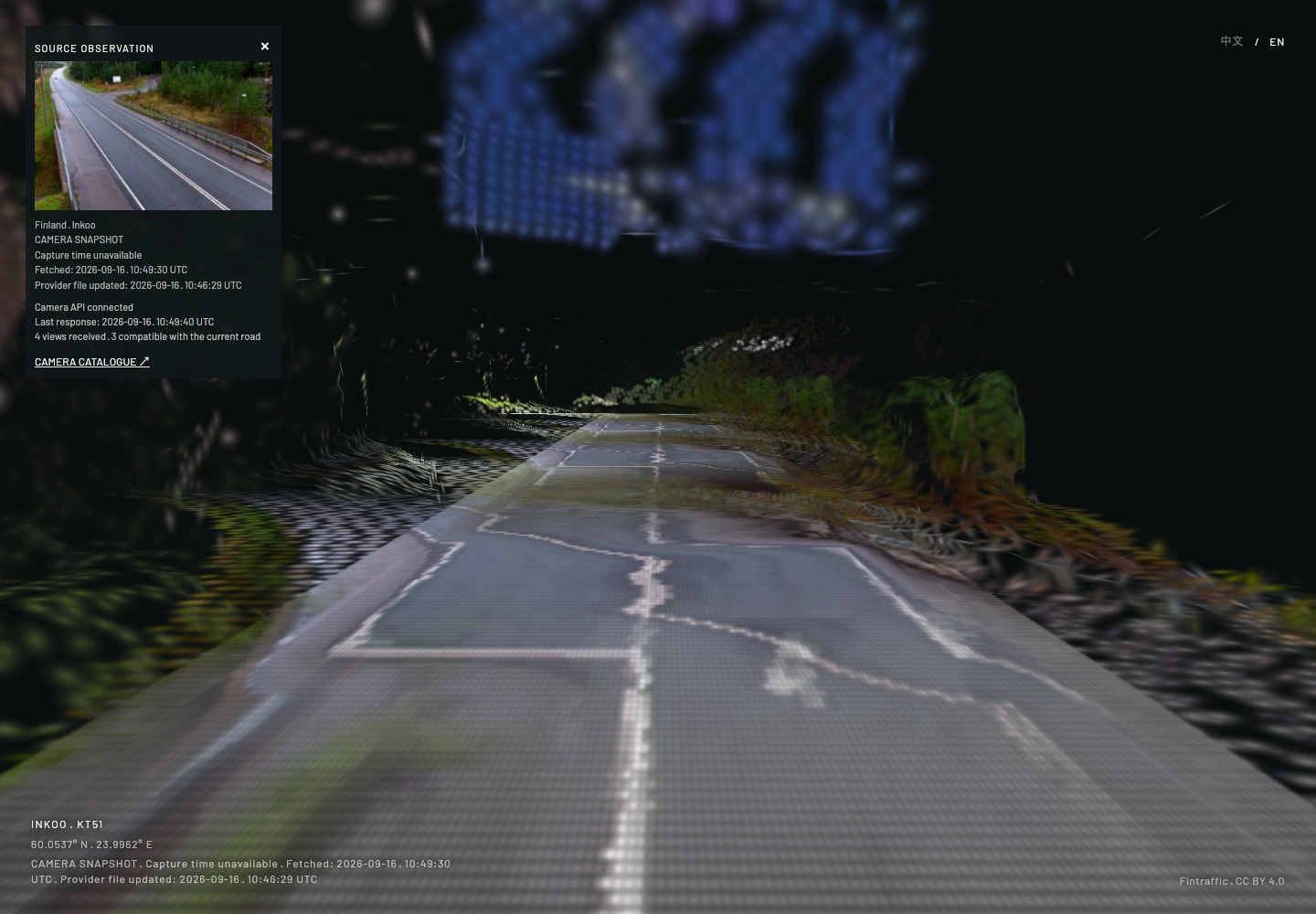
ENDLESS ROAD
Fragments from distant places meet along a shared road. Through depth estimation and image alignment, public road-camera observations become a continuously extending three-dimensional landscape. Different geographies, weather conditions and moments join one unfolding journey: a road that exists through the act of seeing.
08 / 2026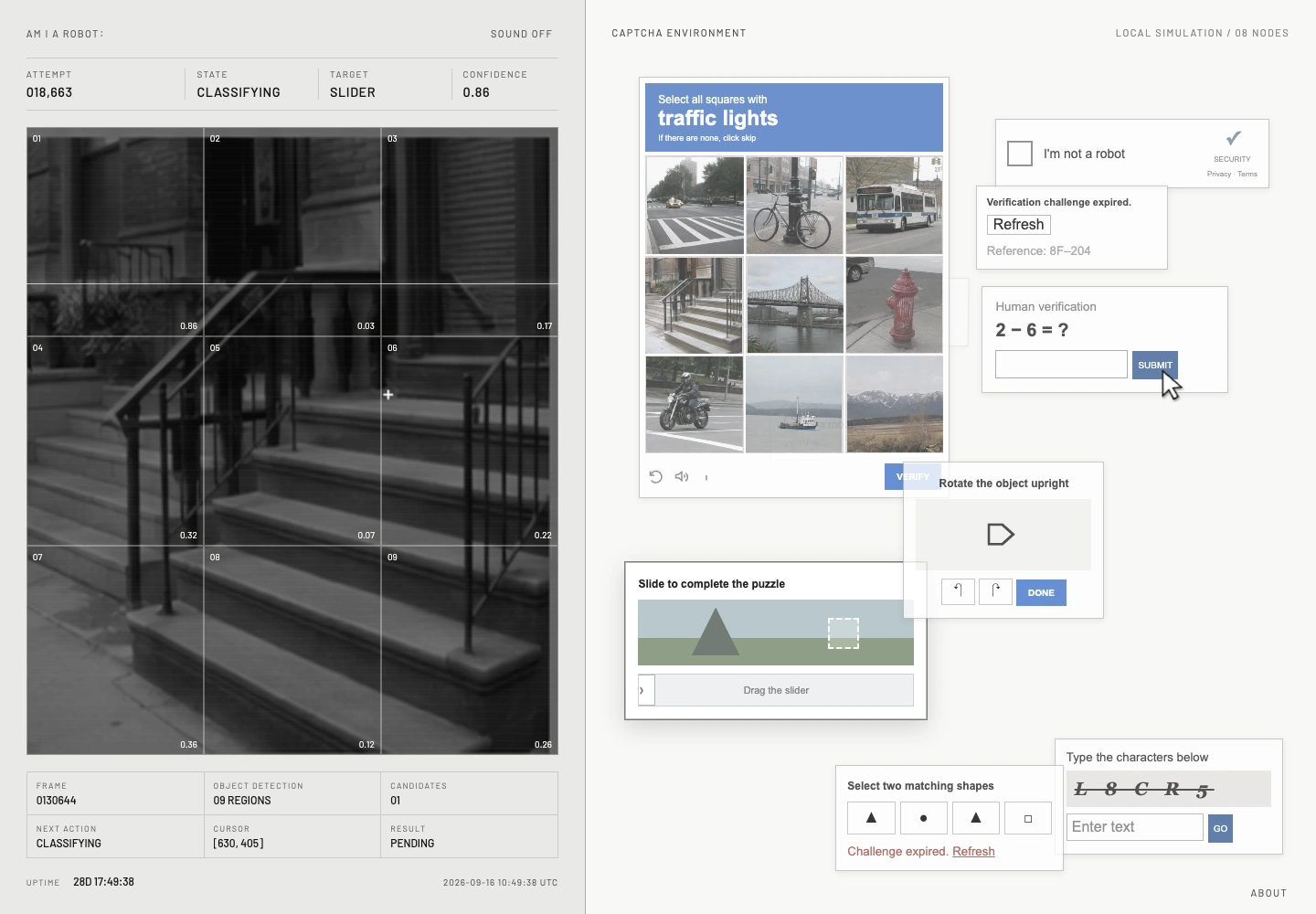
AIMAY (undone)
An AI agent continuously attempts to prove that it is not a robot. By reversing the logic of familiar human-verification interfaces, the work turns a routine distinction between humans and machines into an endless performance of perception, uncertainty and recognition.